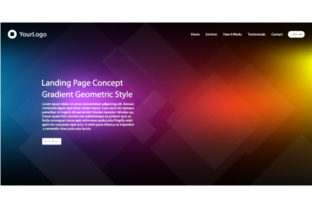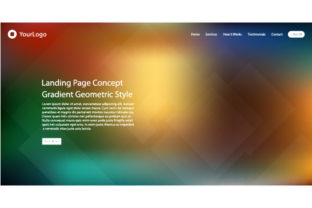
Modern Flat Design: A Simple and Effective Approach to Visual Communication
In today’s digital world, visual design plays a crucial role in how information is presented and consumed. One of the most popular and effective approaches to this is Modern Flat Design. This style has become a go-to choice for designers, businesses, and creators looking for clarity, simplicity, and functionality in their work. Whether you're designing a website, app interface, or marketing materials, understanding Modern Flat Design can help you make more informed decisions about your visual strategy.
What Is Modern Flat Design?
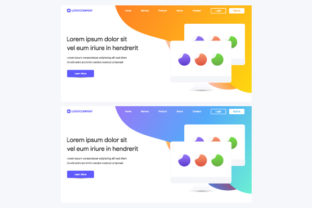
Modern Flat Design is a design philosophy that emphasizes minimalism, clean lines, and a lack of unnecessary elements such as shadows, gradients, or textures. It focuses on using simple shapes, bold colors, and clear typography to create visually appealing and user-friendly interfaces. Unlike older design styles that often relied on 3D effects and complex layering, Modern Flat Design prioritizes usability and accessibility.
This approach emerged as a response to the increasing need for digital experiences that are easy to navigate and understand. With the rise of mobile devices and the demand for fast-loading content, flat design has proven to be an efficient and effective solution.
Key Features of Modern Flat Design
There are several defining characteristics of Modern Flat Design, including:
- Simplicity: The use of minimal elements to convey information clearly and directly.
- Typography: Emphasis on readable and impactful fonts to enhance communication.
- Color: Bold and vibrant color palettes that add visual interest without overwhelming the viewer.
- Shapes: Geometric and clean forms that are easy to recognize and interact with.
- Grid Systems: Structured layouts that ensure consistency and alignment across different platforms.
These features work together to create a cohesive and intuitive design language that is both aesthetically pleasing and functionally sound.
Why Use Modern Flat Design?
There are several compelling reasons to consider Modern Flat Design for your next project:
- Improved User Experience: By reducing visual clutter, users can focus on what matters most—content and interaction.
- Faster Load Times: Simplified graphics and fewer design elements lead to smaller file sizes and quicker performance.
- Responsive Design: Flat design principles make it easier to adapt layouts for different screen sizes and devices.
- Scalability: Clean and modular designs can be easily updated or expanded without disrupting the overall look.
For professionals and business owners, these benefits translate into better engagement, higher conversion rates, and a more professional appearance.
Applications of Modern Flat Design
Modern Flat Design is used across a wide range of industries and applications. Some common examples include:
- Web Design: Websites that prioritize speed, readability, and ease of navigation often adopt flat design principles.
- Mobile Apps: The clean and intuitive nature of flat design makes it ideal for mobile interfaces where space is limited.
- Graphic Design: From logos to social media posts, flat design offers a versatile and modern aesthetic.
- UI/UX Design: User interfaces benefit from the clarity and consistency that flat design provides.
Whether you're creating a brand identity or a digital product, Modern Flat Design can help you achieve a professional and polished look.
How to Implement Modern Flat Design
Implementing Modern Flat Design requires careful planning and attention to detail. Here are some steps to get started:
- Define Your Goals: Determine what you want to achieve with your design—whether it's improving usability, enhancing aesthetics, or boosting engagement.
- Choose a Color Palette: Select a set of colors that align with your brand and support the intended message.
- Select Typography: Choose fonts that are easy to read and match the tone of your content.
- Use Grids and Layouts: Structure your design using grids to ensure balance and consistency.
- Test and Refine: Evaluate your design with real users and make adjustments based on feedback.
By following these steps, you can create a design that not only looks great but also functions effectively.
Considerations and Limitations
While Modern Flat Design offers many advantages, it's important to be aware of its limitations. For example:
- Lack of Depth: The absence of shadows and gradients can sometimes make designs feel less dynamic or engaging.
- Visual Monotony: If not executed well, flat design can appear repetitive or uninteresting over time.
- Accessibility Challenges: Low contrast or small text can make designs difficult to use for some users.
Understanding these challenges allows you to make informed choices and avoid common pitfalls when working with this design style.
Real-World Examples of Modern Flat Design
Many well-known brands and platforms have successfully implemented Modern Flat Design. For instance:
- Microsoft: The Windows 10 and 11 operating systems use flat design principles to create a clean and modern interface.
- Google: Google’s Material Design system is built on flat design concepts, emphasizing simplicity and usability.
- Slack: The messaging platform uses a flat design to keep its interface organized and easy to navigate.
These examples demonstrate how Modern Flat Design can be adapted to suit different needs and audiences.
Conclusion
Modern Flat Design is more than just a trend—it's a practical and powerful approach to visual communication. By focusing on simplicity, clarity, and usability, it helps create designs that are both beautiful and functional. Whether you're a designer, business owner, or creator, understanding and applying the principles of Modern Flat Design can greatly enhance your work and improve user experiences.
If you're looking for tools to bring your ideas to life, consider exploring vector-based templates that offer editable colors, shapes, and compatibility with Adobe Illustrator. These resources can help you streamline your design process and achieve consistent results across different projects.