Website Template Design: A Powerful Tool for Modern Web Development
Website Template Design is more than just a starting point for building a site—it's a strategic choice that can save time, enhance consistency, and elevate the overall quality of your digital presence. Whether you're launching a personal blog, a small business, or a large-scale enterprise, using well-crafted templates can make all the difference in how your website looks, functions, and performs.
One of the most appealing aspects of Website Template Design is its flexibility. With the right template, you can quickly create a visually appealing layout that aligns with your brand identity while maintaining a professional appearance. This is especially important when working under tight deadlines or limited resources.
Key Features of Effective Website Templates
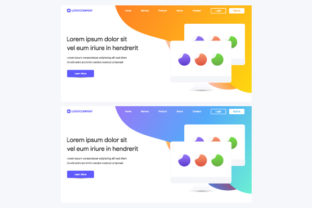
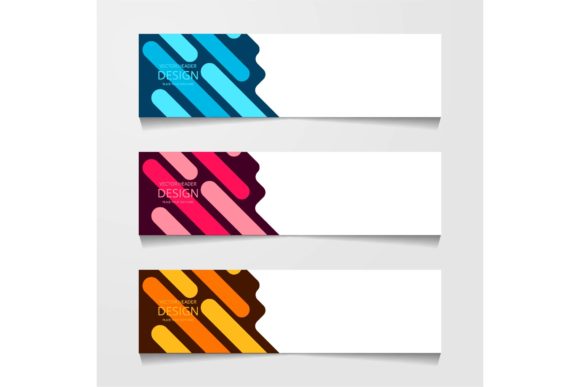
Modern Website Template Design often includes a variety of features that cater to different needs and preferences. For instance, many templates come with editable colors and shapes, allowing users to customize their look without needing advanced design skills. This level of control ensures that your website remains unique while still benefiting from a structured foundation.
Another notable feature is the use of vector graphics. Vector-based templates offer scalability and clarity, making them ideal for responsive designs that need to adapt to various screen sizes. These elements are typically created in Adobe Illustrator, ensuring high-quality output that maintains sharpness at any size.
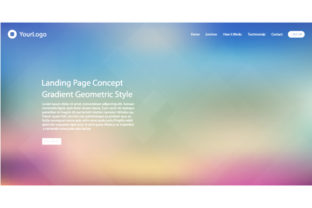
Some templates also incorporate gradient mesh backgrounds, which add depth and visual interest to the design. This technique can help differentiate your site from others, creating a more engaging user experience. When combined with other design elements, gradients can enhance the aesthetic appeal of a website without overwhelming the viewer.
Practical Applications Across Different Industries
Website Template Design is not limited to one type of user or industry. From entrepreneurs looking to launch an online store to educators creating a digital classroom, there's a template that fits almost every need. For example, a marketing professional might choose a template that emphasizes clean typography and easy navigation, while a creative designer may prefer something more artistic and visually striking.
Freelancers and small business owners often benefit from templates that are easy to update and maintain. These designs allow for quick changes to content, images, and layouts without requiring extensive technical knowledge. This makes it easier to keep a website fresh and relevant over time.
In educational settings, Website Template Design can be used to build interactive learning platforms or resource hubs. Teachers and students can take advantage of customizable layouts to organize materials, share information, and collaborate on projects. The ability to adjust colors and shapes ensures that the design can match the tone and purpose of the content being presented.
Benefits of Using High-Quality Website Templates
One of the primary advantages of using a well-designed Website Template is improved usability. A good template ensures that the layout is intuitive, making it easier for visitors to find what they're looking for. This can lead to higher engagement, longer visit durations, and better conversion rates.
Efficiency is another major benefit. Instead of starting from scratch, designers and developers can focus on customizing and optimizing the template to meet specific goals. This approach saves time and reduces the risk of errors that can occur during manual coding or design work.
From a branding perspective, Website Template Design helps maintain a consistent visual identity across all digital assets. This consistency reinforces brand recognition and builds trust with your audience. Whether it's a logo, color scheme, or typography, a well-chosen template ensures that these elements remain cohesive and aligned with your brand’s message.
Choosing the Right Template for Your Needs
When selecting a Website Template Design, it's important to consider your specific requirements. Ask yourself: What is the purpose of the website? Who is the target audience? What level of customization do I need? These questions can help narrow down your options and ensure that the template you choose meets your goals.
It's also helpful to review examples of templates in action. Many designers provide previews in Adobe Illustrator (AI) or Encapsulated PostScript (EPS) format, allowing you to see how the design will look in different contexts. These files often include the same color and shape variations, giving you a clear idea of what to expect when implementing the template.
For those who are new to design, it's worth investing in templates that are easy to edit and modify. Look for options that support common tools like Adobe Illustrator Creative Cloud (AiCC) or EPS formats. These file types offer flexibility and compatibility, making it easier to work with designers or developers if needed.
Final Thoughts on Website Template Design
Website Template Design is a valuable resource for anyone looking to build a professional, functional, and visually appealing website. By leveraging pre-designed elements, you can streamline the development process while still achieving a unique and personalized result.
Whether you're a seasoned designer or a beginner, taking the time to explore and select the right template can have a lasting impact on your online presence. With the right tools and a clear understanding of your goals, you can create a website that not only looks great but also serves its intended purpose effectively.