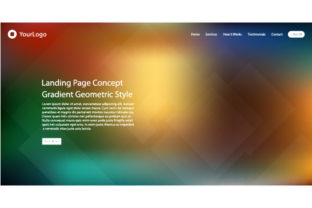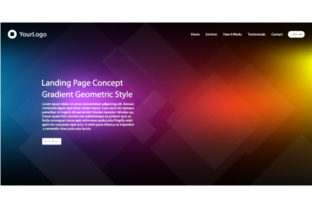
Gradient Background Design of Header Web
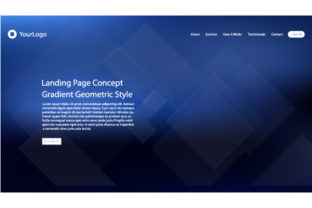
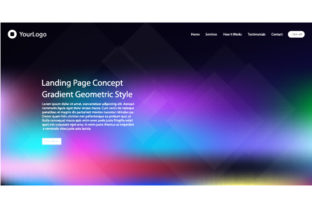
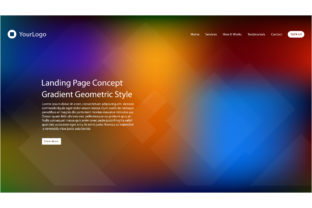
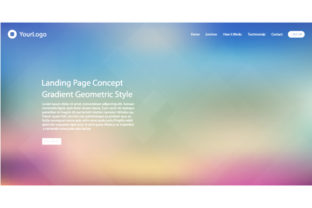
Gradient background design for web headers has become a popular choice among designers and developers looking to create visually striking websites. This approach involves using smooth transitions between two or more colors, often in a linear or radial pattern, to form the background of a website’s header section. The result is a modern, dynamic look that can elevate the overall aesthetic of a site.
One of the main reasons gradient backgrounds are so effective is their ability to add depth and dimension without overwhelming the user. Unlike solid color backgrounds, gradients can guide attention, create visual interest, and support the branding of a website. Whether you're working on a personal portfolio, an e-commerce platform, or a corporate site, a well-designed gradient header can make a significant impact.
Real-World Applications of Gradient Backgrounds
Gradient headers are particularly useful in industries where visual appeal plays a key role. For example, in the fashion and beauty sectors, gradient backgrounds can help set a tone of sophistication and innovation. A makeup brand might use a soft pink-to-lavender gradient to evoke a sense of elegance, while a tech startup could opt for a sleek blue-to-purple transition to convey professionalism and forward-thinking.
In the realm of digital marketing, gradient headers can be used to highlight calls to action. A landing page for a SaaS product might feature a gradient that draws the eye toward a sign-up button, increasing the likelihood of user engagement. Similarly, a blog or news site could use a subtle gradient to separate sections, making the content easier to navigate and more visually appealing.
E-commerce sites also benefit from gradient headers by using them to showcase products or promotions. A seasonal sale might feature a vibrant orange-to-red gradient to create a sense of urgency, while a minimalist store could use a soft green-to-white gradient to maintain a calm and inviting atmosphere.
Understanding Vector Templates with Gradient Mesh Backgrounds
For those looking to implement gradient headers, vector templates offer a flexible and scalable solution. These templates, often created in Adobe Illustrator, allow for precise control over colors, shapes, and gradients. The use of a gradient mesh background ensures that the design remains high quality at any size, making it ideal for responsive web design.
Vector templates typically come in formats like EPS (Encapsulated PostScript) or AI (Adobe Illustrator), which are compatible with Creative Cloud applications. This means users can easily edit colors, adjust shapes, and experiment with different gradient combinations without losing quality. The availability of multiple vector options allows designers to choose the perfect template for their specific needs.
One of the advantages of using vector templates is the ability to maintain consistency across different platforms. Whether a designer is working on a website, mobile app, or print material, the same gradient header can be adapted seamlessly. This uniformity helps reinforce brand identity and ensures a cohesive visual experience for users.
Key Considerations Before Using Gradient Headers
Before implementing a gradient header, it's important to consider how it will affect the overall user experience. While gradients can enhance visual appeal, they should not interfere with readability or usability. Text placed over a gradient should have sufficient contrast to remain legible, especially on smaller screens or under varying lighting conditions.
Another consideration is the performance impact of using complex gradients. Large or highly detailed gradient backgrounds can increase load times, which may negatively affect user retention. To mitigate this, designers can use optimized image formats or CSS-based gradients that are lightweight and efficient.
Additionally, the choice of colors should align with the brand’s identity and the intended audience. A bold, high-contrast gradient may work well for a youthful, energetic brand, but could feel too intense for a more traditional or professional business. Testing different color combinations and gathering feedback from users can help ensure the gradient header meets both aesthetic and functional goals.
Benefits for Different Users
Designers and developers who use gradient headers often find that they provide a versatile foundation for creative experimentation. With editable colors and shapes, they can quickly adapt a design to match changing trends or client preferences. This flexibility is especially valuable in fast-paced environments where quick iterations are necessary.
Business owners and marketers may appreciate the way gradient headers can enhance brand visibility and user engagement. A well-crafted gradient can differentiate a website from competitors, making it more memorable and shareable. In industries where first impressions matter, such as real estate or hospitality, a visually appealing header can play a crucial role in attracting and retaining customers.
For students and emerging designers, gradient headers offer an opportunity to practice advanced design techniques. Working with vector templates and gradient meshes can improve technical skills and deepen understanding of color theory, typography, and layout principles. This hands-on experience can be invaluable when building a portfolio or preparing for a career in graphic design or web development.