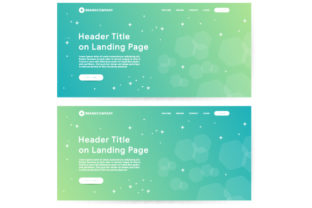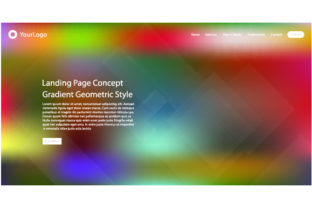
Header Website of Landing Page
The Header Website of Landing Page is a powerful design element that sets the tone for any website. It serves as the first impression visitors have, making it crucial to get right. A well-designed header can enhance user experience, guide navigation, and communicate brand identity effectively.
What makes the Header Website of Landing Page particularly interesting is its versatility. Whether you're building a personal blog, an e-commerce site, or a corporate portfolio, a strong header can adapt to various needs and styles. This flexibility allows designers and developers to experiment with different layouts, colors, and interactions, ensuring the header aligns with the overall website vision.
Understanding the Header Website of Landing Page
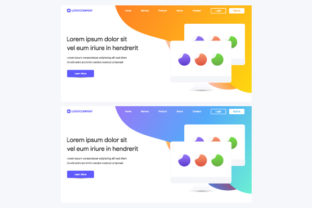
A Header Website of Landing Page typically includes elements such as the logo, navigation menu, call-to-action buttons, and sometimes a hero image or video. These components work together to create a cohesive and engaging user interface. The header should be intuitive, easy to navigate, and visually appealing, helping users find what they need quickly.
One of the key features of the Header Website of Landing Page is its ability to convey brand messaging at a glance. A clear and concise header can communicate the purpose of the website, whether it's to sell products, share information, or provide services. This clarity is essential in capturing the attention of potential customers or visitors.
Creative Possibilities with Header Website of Landing Page
Designers can explore a wide range of creative possibilities when working on the Header Website of Landing Page. From minimalist designs that focus on simplicity and elegance to bold, eye-catching headers that make a statement, there are countless ways to approach this element. The choice of color, typography, and layout can significantly impact the overall look and feel of the website.
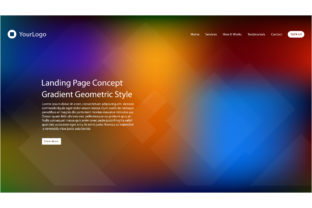
For instance, a tech startup might opt for a modern, sleek header with a gradient mesh background to reflect innovation and forward-thinking. On the other hand, a boutique fashion brand could use a more traditional header with a vintage aesthetic to evoke a sense of nostalgia and craftsmanship. The key is to align the header with the brand's identity and target audience.
Applications and Use Cases
The Header Website of Landing Page can be tailored to suit various applications and use cases. For marketers, a header that includes a prominent call-to-action button can drive conversions and encourage user engagement. For bloggers, a header that highlights recent posts or categories can improve navigation and keep readers coming back.
Small business owners can benefit from a header that showcases their services or offerings in a clear and organized manner. This not only helps visitors understand what the business does but also builds trust and credibility. In educational settings, a header that includes links to courses, resources, or contact information can enhance the learning experience and facilitate communication.
Adapting for Different Goals and Audiences
One of the strengths of the Header Website of Landing Page is its adaptability. It can be customized to meet the specific goals and needs of different audiences. For example, a header designed for a B2B audience might emphasize professionalism, reliability, and expertise, while a header aimed at a younger demographic could focus on creativity, fun, and interactivity.
When adapting the header for different platforms or formats, it's important to consider the user experience across devices. A responsive header that adjusts to different screen sizes ensures that the website remains accessible and functional on desktops, tablets, and mobile phones. This adaptability is crucial in today's multi-device world.
Practical Inspiration and Recommendations
Looking for practical inspiration? Explore how other websites use their headers to enhance user experience and brand identity. Analyze the design choices, color schemes, and layout structures to gain insights into what works and what doesn't. This can help you develop a better understanding of how to apply these principles to your own projects.
When creating a Header Website of Landing Page, start by defining your goals and audience. What message do you want to convey? Who are your target users? Answering these questions can guide your design decisions and ensure that the header aligns with your overall strategy. Additionally, consider the functionality of the header—does it support smooth navigation and easy access to key information?
Keeping Results Clear and Effective
To keep the results of your Header Website of Landing Page clear and effective, focus on simplicity and consistency. Avoid cluttering the header with too many elements, as this can overwhelm users and dilute the message. Instead, prioritize clarity and usability, ensuring that each component serves a purpose and contributes to the overall design.
Consistency in design elements such as color, typography, and spacing helps create a cohesive and professional look. This not only enhances the visual appeal of the website but also improves the user experience. A well-organized header can make a significant difference in how users perceive and interact with your site.
Conclusion
The Header Website of Landing Page is more than just a design element—it's a critical component that influences user experience, brand perception, and website performance. By understanding its importance and exploring creative possibilities, you can create a header that not only looks great but also serves its purpose effectively.